
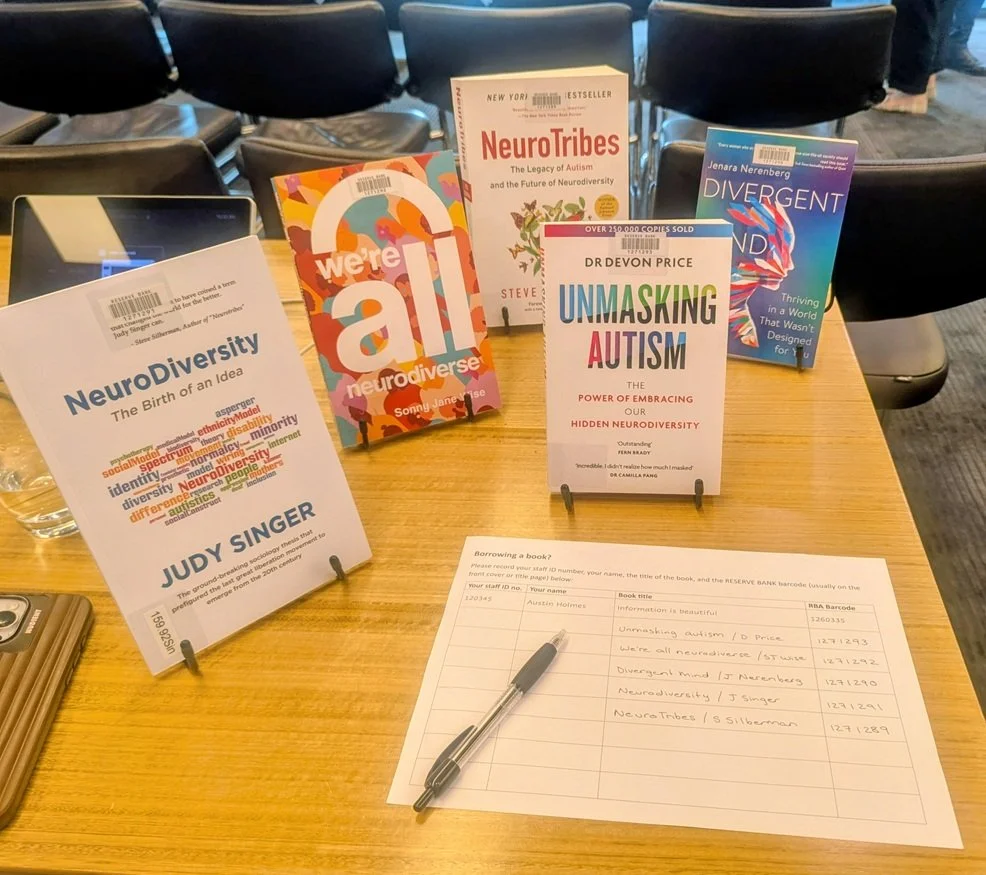
Building Capacity Rather Than Just Ticking Boxes
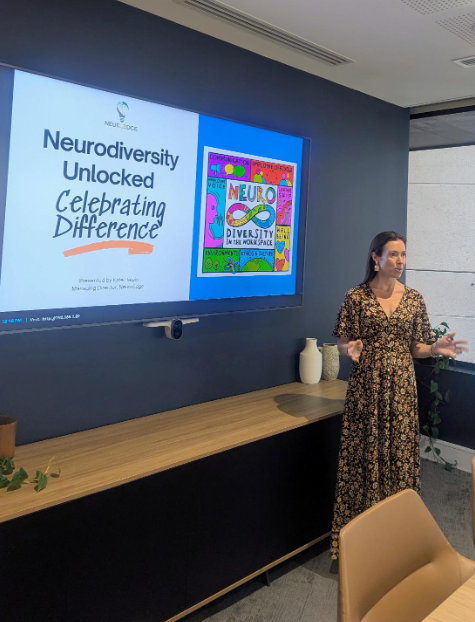
Why Neuro-Inclusive Training is the Competitive Edge for Australian Workplaces in 2026
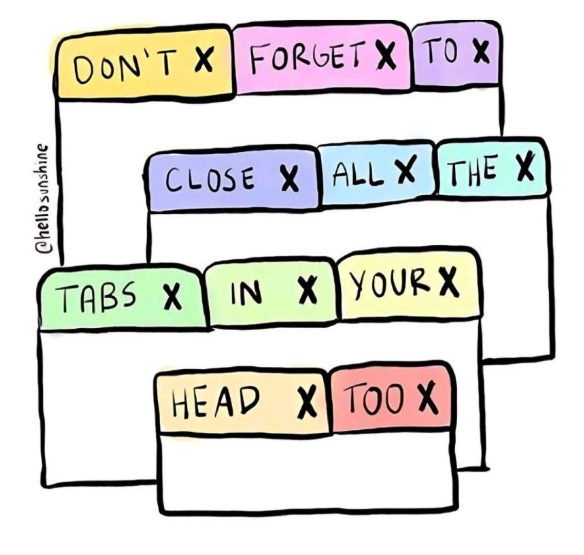
How to "close" some of the tabs in your brain
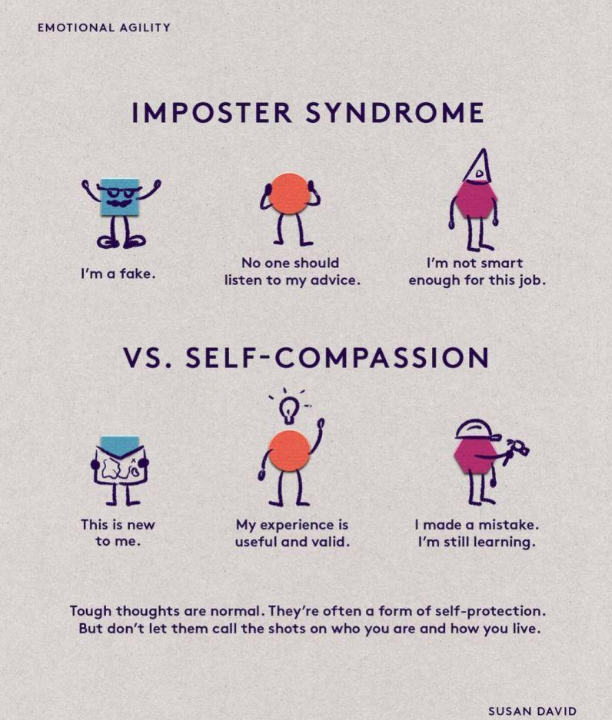
The Imposter Syndrome Experience in the Workplace
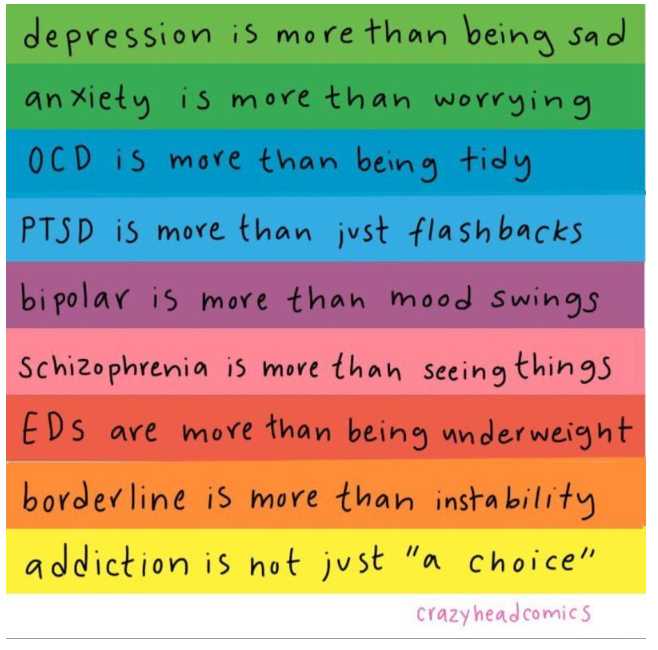
Mental Health and Wellbeing in the Workplace
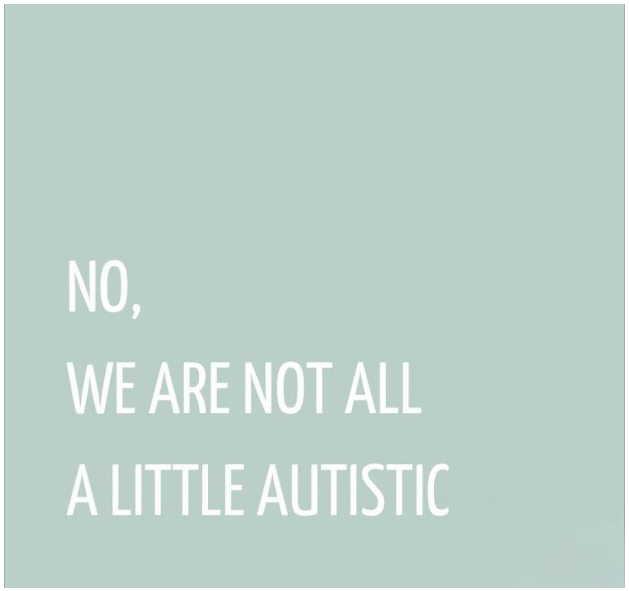
Microaggressions and Ableist Statements at Work
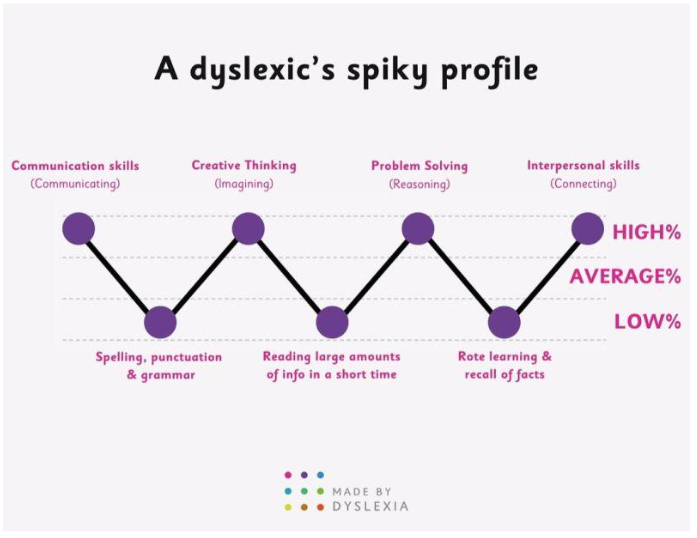
Spiky Cognitive Profiles: What does this mean for neurodivergent employees?
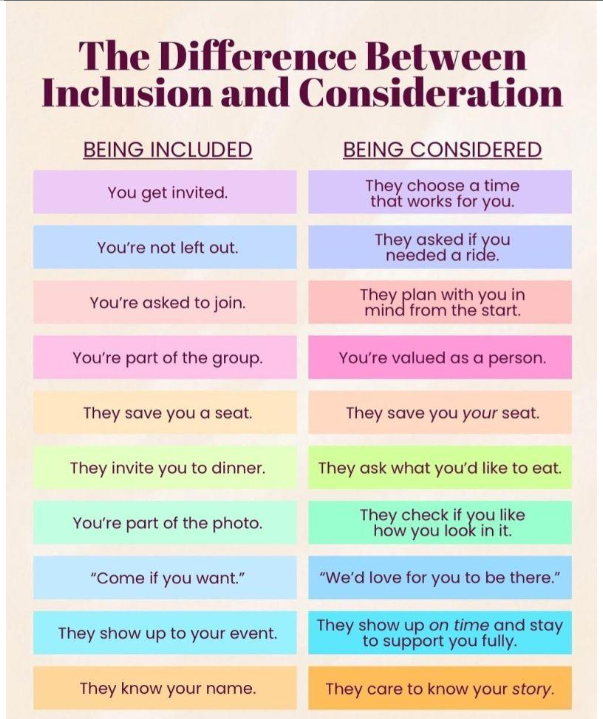
The Difference Between Inclusion and Consideration at Work
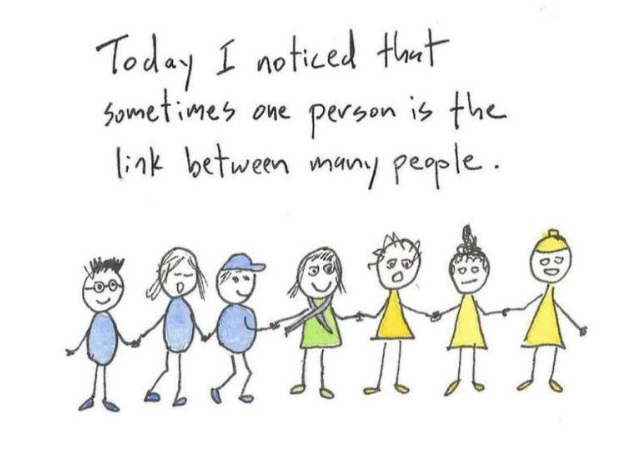
The Power of Connectors in Workplaces
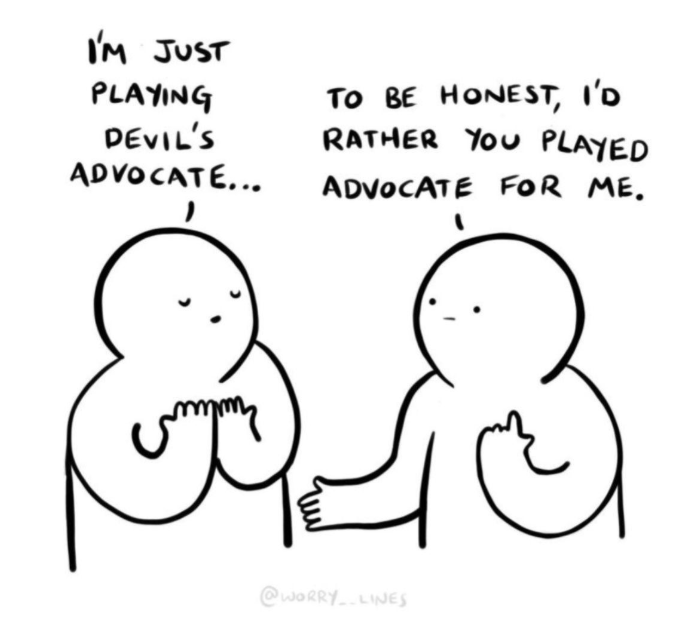
Workplace Advocacy
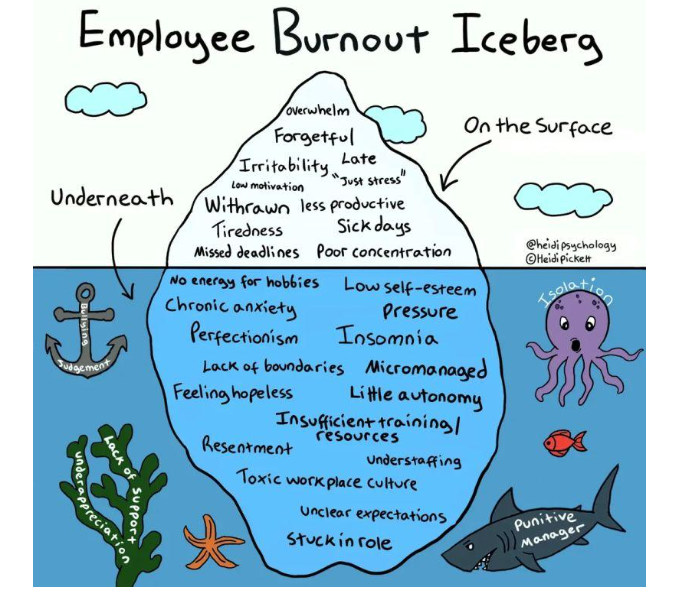
The Employee Burnout Iceberg
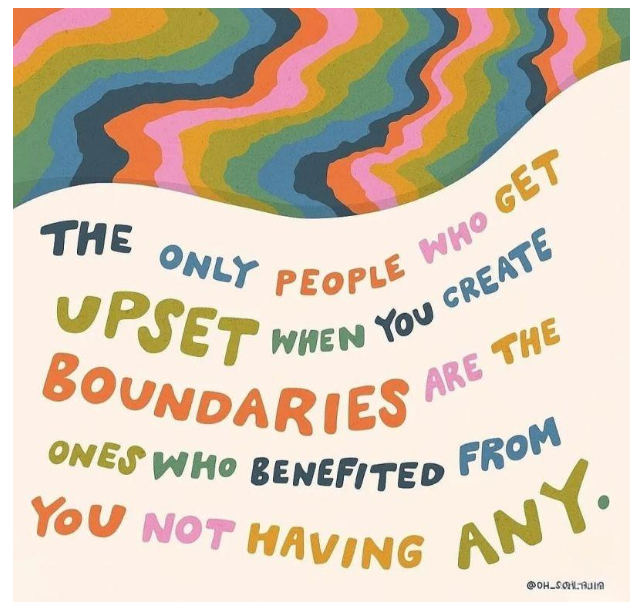
Setting and Maintaining Boundaries for Neurodivergent Employees
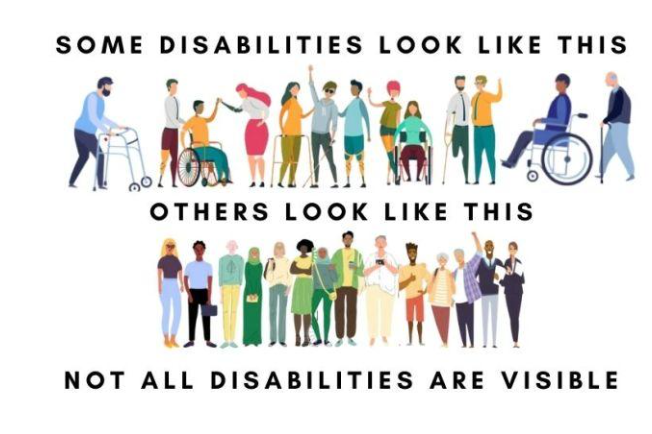
International Day of People with Disabilities (IDPwD)

Alexithymia
Are you familiar with the term Alexithymia? Have you ever experienced challenges identifying, describing and expressing emotions?

High Functioning Anxiety
People with high functioning anxiety often appear to be successful and well-adjusted but they may be struggling internally within intense anxiety which can manifest in a myriad of ways.

Object Permanence in the Workplace
Object permanence is the understanding that objects continue to exist even when they are not visible. This is a fundamental cognitive skill that develops in childhood, however, it can be a challenge for neurodivergent folk in certain situations, such as the workplace.

Ikigai and your Career
Ikigai is finding meaning in life and wholeheartedly dedicating yourself to your personal happiness. Essentially, what is the source of your daily motivation?

Double Empathy Problem
At times, there is a disconnect with the way autistic and allistic (non-autistic) people communicate, interact, show emotion and experience the world.

Neurodivergence and Career Progression
There is not a one size fits all approach to career progression and how we measure success.

Neurodivergence and Mental Health
Did you know that neurodivergent folk often experience co-occurring mental health conditions such as anxiety and depression? In fact, according to a study from Willis Towers Watson (WTW) in 2022, up to 70% of neurodivergent employees experience mental health challenges.