
News
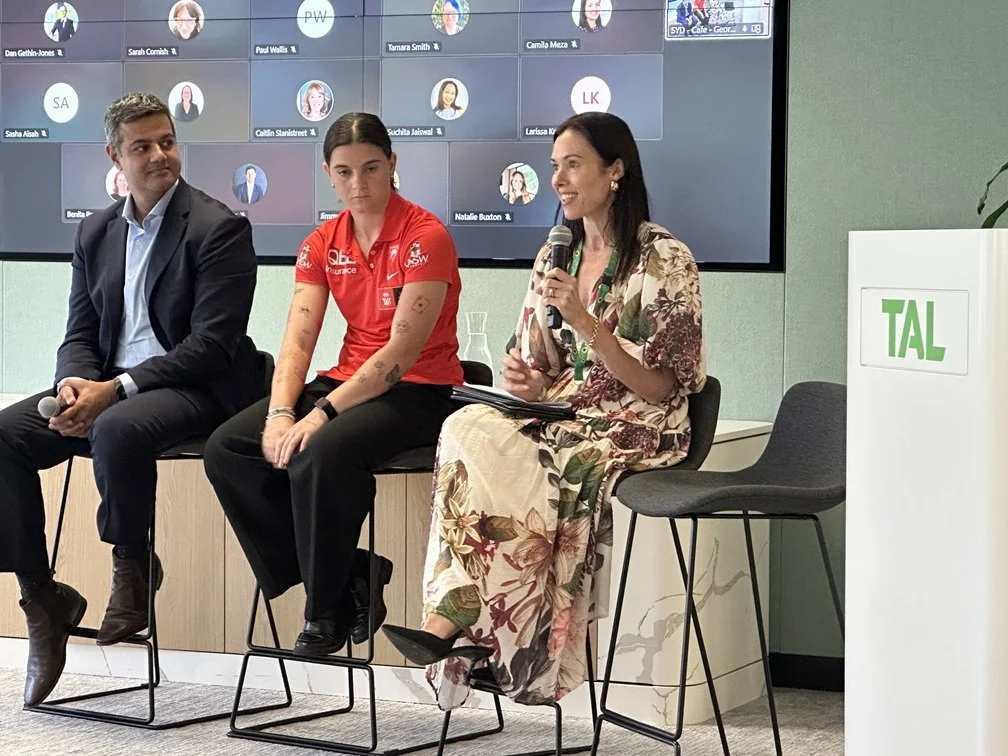
TAL - Diversity Equity and Inclusion Panel
I recently had the pleasure of being part of a Diversity, Equity and Inclusion panel at TAL. This panel brought people together to discuss culture, neurodiversity and pride - both at work and in sport. The session explored how lived experience, identity and different ways of thinking shape how we show up, and what we all need to thrive.
I was joined by the other panellists, Darcy Moloney, from the Sydney Swans AFLW and Hinesh Chauhan, TAL Chief Information Officer. Together, we discussed insights on belonging, inclusive leadership, the advantage of diverse perspectives, and how we can turn awareness into meaningful action.
CommBank's new Neuroinclusive Banking
It's a huge honour to have contributed to CommBank's new Neuroinclusive Banking initiative as both a subject matter expert and a voice for lived experience. This project is deeply meaningful to me because it focused on empowering people to manage their banking with more confidence by supporting their individual strengths.
Commonwealth Bank has introduced neuroinclusive tools and resources to help reduce cognitive load, including timing estimates, visuals, and pre-visit information to make the experience more predictable. This initiative truly proves that inclusive design benefits everyone. A huge congratulations to the amazing Caroline Ghatt and team for the incredible work we've done and the positive impact it will have.
Neuroinclusive Banking at CommBank: https://www.commbank.com.au/about-us/accessibility/neuroinclusive-banking.html

Winner of the 2025 Disability Award
I am proud to share that last week NeuroEdge won a Local Business Award for Disability Inclusion! This recognition means so much and reaffirms my commitment to championing change and creating a neuroinclusive workplaces.
If you are an Australian business and are interested to learn more about our Neurodiversity services including training , coaching, consultancy and guest speaking, please contact us today
Image Credit: Northern Beaches Local Business Awards
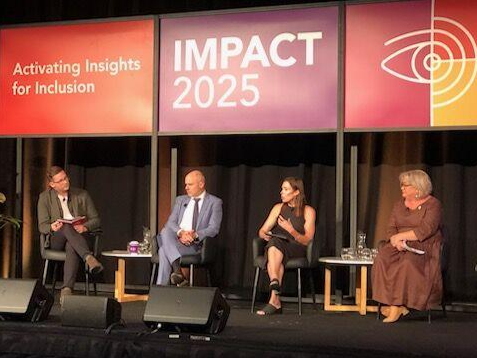
Australian Disability Network Impact Conference
It was a privilege to participate in a Neurodiversity Panel at the Australian Disability Network Impact 2025 conference yesterday. On stage with Lyndall Wilkie and Michael Fieldhouse, and expertly facilitated by Mackenzie Small, we explored the challenges neurodivergent individuals encounter in finding and maintaining meaningful employment.
We also discussed proactive steps organisations can take to foster greater neuroinclusion. I'm thrilled that neurodiversity is gaining the recognition it deserves and has a prominent place in these important discussions. Let's ensure this vital conversation continues!
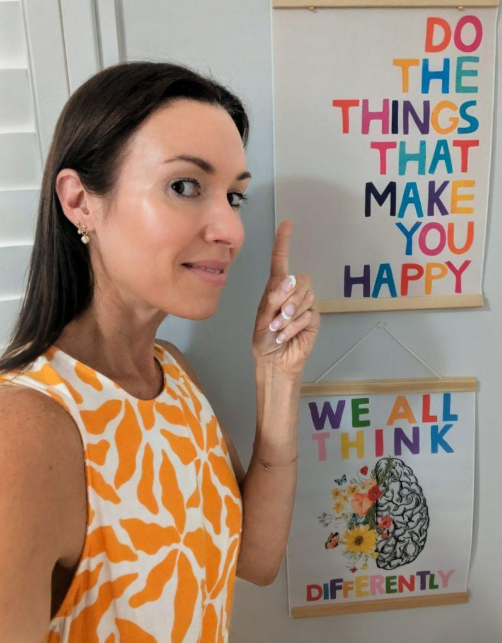
Thank You!
I'm excited to have recently surpassed over 28,000+ followers on LinkedIn and used this milestone as an opportunity for reflection. It's been well over a decade since I first stepped into the neurodiversity employment space, and the pride I feel today is immense. As the founder of NeuroEdge (a neurodiversity consultancy) looking back at this journey has been incredibly rewarding.
When I started, the landscape was different. Neurodiversity was still a relatively new concept in the workplace. Now, seeing the tangible impact that myself and other passionate advocates are making is incredible. I feel privileged to work daily with brilliant neurodivergent individuals, helping them unlock their potential and to thrive. I love building organisational capacity to value, support, and embrace difference—there's nothing better than seeing a manager truly "get it" and run with inclusive practices!
The true beauty of this field is that it allows me to genuinely "do the things that make me happy." For me, that means championing inclusion, dismantling outdated practices, removing archaic hiring barriers, and celebrating the unique strengths neurodivergent talent brings to the table. Every success story fuels my passion.
To the businesses embracing this shift: thank you for making this meaningful work possible. Here's to many more years of driving real, inclusive change!
What aspect of fostering neurodiversity in the workplace excites you the most right now? Reach out to Neurodge today to chat further.
Kate Halpin named one of Australia's top 50 LinkedIn creators
Well this is exciting (and a huge surprise!)...
Earlier this week I was named as one of Australia's top 50 LinkedIn creators (scroll through to #45). A big thank you to the team at Favikon and Jeremy Boissinot for including me on this list. Thanks Rosie Chong for the heads up! Amongst the link was the Australian Prime Minister Anthony Albanese, Shayne Elliott (Chief Executive Office rat ANZ), Mark Bouris (Australian Entrepreneur and Innovator), Australian tennis legend Ash Barty and Daniel Ricciardo (Professional Formula 1 Driver). I’m still pinching myself!
It's an honour and a privilege to be able to use the LinkedIn platform to advocate and educate about a topic so close to my heart Neurodiversity in the workplace. Thank you to all my followers and loyal clients for you love, support, likes and comments. This is a great community and I am very grateful! 🌻
Link: https://www.linkedin.com/feed/update/urn:li:activity:7221439391381041154/
What you need to know about neurodiversity and teaching kids about money.
Did you know that an estimated 15-20% of the population is neurodivergent? This means their brains work differently from the average or “neurotypical” person. Neurodiversity includes individuals with autism spectrum disorder, attention deficit hyperactivity disorder (ADHD), dyslexia, dyscalculia, and more. Interestingly, 27% of neurodivergent people feel less confident about managing money, compared to 18% of neurotypical (or non-neurodivergent) people. However, there’s plenty we can do to change this!
Yish Koh, MD of Kit, sat down with Kate Halpin, mother of two and MD and Founder of NeuroEdge. Kate combines her professional expertise with her personal experience to help build neuroinclusive workplaces. With two neurodivergent children, she’s put her expert knowledge into practice and shared it with us.
How does neurodiversity impact the way children learn about and manage money?
Learning to manage money is important for everyone, but for neurodivergent children, it can come with unique challenges. Their brains work differently, which means they may face obstacles in some areas, while excelling in others when it comes to finances. For instance, some children may have incredible strengths, such as attention to detail, pattern recognition, or analytical skills, that can help them manage money well. However, challenges like dyscalculia or ADHD, along with executive function differences, can make financial decisions harder to navigate.
Dyscalculia can make numbers, arithmetic, and mathematical concepts tricky.
Research also shows ADHD can lead to impulsive spending and difficulties with saving, making it harder for children to stick to a budget.
Neuro-Inclusive Training: Frequently Asked Questions
1. What is the benefit of neuro-inclusive training and coaching for Australian businesses? Neuro-inclusive training and coaching helps organisations tap into the unique strengths of the approximately 20% of the Australian workforce that is neurodivergent. By fostering an environment that supports ADHD, Autism, and Dyslexia, businesses see a significant increase in innovation, employee retention, and overall productivity.
2. How does neurodiversity training improve recruitment? Standard recruitment often relies on "social performance" during interviews, which can disadvantage and create barriers for highly skilled neurodivergent candidates. Training helps HR and People and Culture teams remove these barriers by implementing skills-based assessments and clear, literal job descriptions, ensuring you hire the best person for the actual role.
3. Is neuro-inclusive training a legal requirement in Australia? While not a standalone "requirement," the Disability Discrimination Act 1992 and Fair Work Act require Australian employers to make "reasonable adjustments" for neurodivergent employees. Training ensures your leadership team understands these obligations and avoids costly compliance issues.
4. Can small businesses benefit from neurodiversity consultancy? Absolutely. Small teams often rely more heavily on individual performance. Even minor adjustments—such as flexible scheduling or sensory-friendly communication—can drastically reduce burnout and ensure every team member is performing at their peak.
5. What is the difference between neuro-awareness and neuro-inclusion? Awareness is simply knowing that neurodivergent conditions exist. Inclusion is the active practice of changing systems, environments, and communication styles to ensure neurodivergent individuals can actually succeed and contribute their full potential.
KIT by CommBank: Top tips for teaching neurodiverse kids about money
While every child’s journey is unique, there are a few key strategies that can make teaching financial skills easier for neurodivergent kids. Here are some simple and effective tips.
Start early. The earlier you introduce money conversations, the better. Neurodivergent children may need additional time to grasp mathematical concepts, so laying the foundation early is key.
Use visual aids. Many neurodivergent children are visual learners. Incorporate graphs, tools, mind maps, and chore charts. For example, colour coding spending categories can help them better retain and understand financial concepts.
Set achievable goals. Goals can be overwhelming for some neurodivergent kids. Help them break larger goals into smaller and more achievable steps. That way, they will stay motivated and feel a sense of accomplishment as they reach each milestone.
Use real life as learning opportunities. Use everyday situations to teach your kids about money. For example, have your kids join you when writing the shopping list, accompany you to the supermarket, and help find and compare items by cost. Turn it into a fun challenge: “Can we get everything on the list and stay within our budget?
Kate’s personal experience: Teaching neurodiverse kids about money
As a mother of two neurodivergent children, Kate has hands-on experience when it comes to teaching financial literacy. Here’s how she does it.
Allowance and chores: Tasks and chores are required to earn an allowance. Her family is big on goal setting and uses this to teach her kids how to earn and manage money. Half of the allowance goes into a savings account, while the other half needs to be budgeted when spending.
Her 9-year-old's experience: A manifestation of her 9-year-old son's neurodivergence is his keen interest in stocks and trading, fuelled by his $5 weekly pocket money and a savings goal to purchase shares. This early foray into the market, marked by both a losing and a winning stock, provided valuable opportunities to discuss risk, reward, and asset diversification.
Her 12-year-old’s experience: Kate supports her daughter, who earns $10 pocket money weekly and works weekends cleaning a Pilates studio, by helping her budget for social outings and future purchases, fostering critical spending habits. Kate felt proud when her daughter independently saved to buy an iPhone, a purchase that has instilled in her a strong understanding of money's value due to the responsibility of ownership.
Note: We’re using person and identity-first language interchangeably in this article to reflect the diversity of identities within this space.
Link to article: https://learn.heykit.com.au/learn-it/what-you-need-to-know-about-neurodiversity-and-teaching-kids-money
Link to video on Instagram: https://www.instagram.com/reel/DIp0Ay1PNR0/