Microaggressions and Ableist Statements at Work
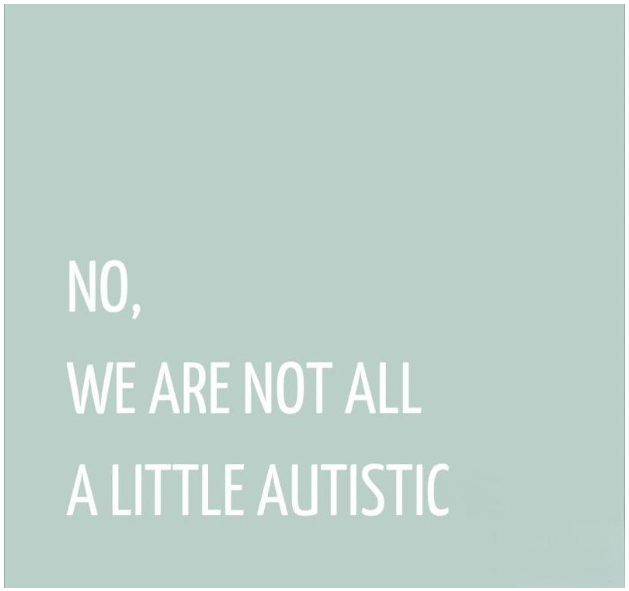
Microaggressions, those subtle, often unintentional slights, can be especially frustrating for neurodivergent individuals. They often manifest as statements that question the validity of a diagnosis, such as, "But you don't look autistic," or, "Everyone's a little ADHD." These comments, though seemingly harmless, erode trust and invalidate one's identity. Yes, autistic and ADHD traits are things everyone may experience from time to time, but the difference is the frequency, intensity and impact of those changes.
When faced with these ableist statements, having a planned response can help you navigate the situation with confidence. If you’re a neurodivergent professional dealing with this, here are three strategies for addressing these microaggressions while protecting your energy and boundaries:
1. The Direct Question: Centre Their Intent
A simple, direct question can force the person to confront the implications of their words without you having to explain or defend yourself.
📍 "What do you mean by that?"
📍 "What makes you say I don't look autistic?"
📍 "How is that relevant to our conversation right now?"
This technique shifts the burden of explanation back onto them, exposing the bias behind the comment.
2. The Educational Statement: Set a Boundary
If you feel safe and have the energy, a brief, factual statement can educate and set a clear boundary. Focus on your lived experience, not a diagnostic stereotype.
📍 "Neurodivergence presents differently in everyone."
📍 "I appreciate your curiosity, but my medical history isn't something I discuss at work/socially."
📍 "Assuming you know more about my experience than I do is actually a microaggression."
3. The Exit: Protect Your Energy
You are never obligated to engage in a debate about your identity. If a comment is exhausting or hostile, the best strategy is often a graceful exit.
📍 "That's an unproductive line of conversation. Let's get back to [work topic]."
📍"I don't have the capacity for this conversation right now." (Then physically walk away or close the communication.)
Your energy is valuable. You have the right to affirm your neurodivergent identity and end any interaction that feels invalidating. By choosing a clear response, you advocate for yourself and contribute to a more neuroinclusive environment.
Remember: Your experience is valid, and your identity is yours alone.
Have you experienced microaggressions in relation to your neuro-identity? What strategies worked best for you? If you aren’t sure, perhaps NeuroEdge’s neuroinclusive coaching might be for you? Reach out today to chat further.